

For NYC property owners
Whatever your building needs, it starts with a direct conversation.
Whether you're dealing with real operational problems or you're just tired of chasing your management company for basic answers, Reliance works the same way — direct, attentive, and accountable to you.
What's usually happening
Owners don't call because everything's fine.
By the time an owner is actively looking for a new manager, the problem has usually been building for months — whether it's a real operational issue or a good building that's stopped getting the attention it deserves.
If the building has real problems
- Violations piling up, with no clear plan to clear them
- Rent arrears and housing court matters going unmanaged
- Deferred maintenance nobody's tracking
- Vacancies sitting longer than they should
If the building is fine, but the management isn't
- Calls and texts go unanswered for days
- Financial reports are late, vague, or both
- Vendors and supers go unsupervised between visits
- The owner ends up managing their own property manager
Why it happens
Most management companies scale by adding buildings, not attention.
As a portfolio grows, the owner relationship becomes a support ticket. Reliance has stayed deliberately selective about how many buildings it takes on — not how big it can get — so every building still gets direct attention from people who know it.
The Reliance approach
An extension of ownership, not a vendor.
Direct accountability
One accountable team, not a rotating cast of subcontractors — starting with a direct line to Brian, not an intake queue.
Regulatory fluency first
Rent stabilization and HPD compliance are handled proactively, before they become violations, court dates, or rent-reduction orders.
Decisions made like an owner
Capital and operating decisions are made the way an owner would make them — because that's how Reliance treats every building it manages.
Proof — Case File — Washington Heights
A distressed 5-building portfolio, restored to compliance and cash flow.
- Buildings
- Units
- Violations cured
- Income recovered
The portfolio is financially stable and code-compliant today — a liability the previous manager couldn't contain, turned into a performing asset.
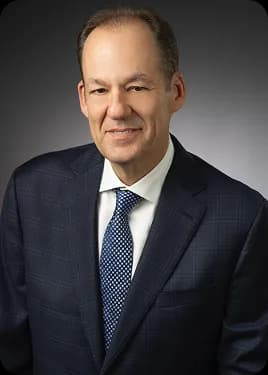
Who you'll actually talk to
For 25 years, Brian Newman has managed New York City buildings — the ones running well, and the ones that weren't.
Brian founded Reliance after nearly a decade as Senior Property Manager at Heritage Realty, where he worked on the acquisition and repositioning of undervalued real estate — buildings that needed more than routine oversight to perform.
That operating discipline is still the foundation of the business today. Reliance manages rent-stabilized, multifamily, and mixed-use properties across New York City, and every owner works directly with Brian and his team — not an account manager, not a call center, not a rotating cast of vendors.
Brian's philosophy is simple: Reliance operates as an extension of ownership, not a vendor. Owners who came to Reliance because a building had serious problems have stayed for decades after it stabilized — because the attention doesn't stop once the crisis does.
Before you call
Common questions.
Will switching property managers disrupt my tenants?
A transition is handled directly with residents, building by building — not through a form letter. That's the same approach used on the Washington Heights turnaround, where rebuilding tenant trust was step one, not an afterthought.
My building already has open violations. Can you still take it on?
That's precisely the kind of building Reliance takes on most often. Curing violations and restoring compliance is core to the work, not a special case.
Do you only manage rent-stabilized buildings?
Rent-stabilized, multifamily, and mixed-use buildings are the concentration — but the underlying skill is the same regardless: direct, attentive management and regulatory fluency.
My building doesn't have major problems — is Reliance still a fit?
Yes — most of Reliance's best relationships start there. A well-run building still benefits from tighter financial reporting, faster response times, and someone actively looking for ways to improve performance, not just prevent problems.
Is this conversation actually confidential?
Yes. A call with Brian is a conversation between you and him — not an intake process, not a sales team, and not anything that goes further without your say-so.
How fast can Reliance take over management?
It depends on the building and where your current management stands. Brian will give you a straight answer on timeline in the first conversation.
Confidential, direct, no obligation